















VAULT + VINE
Explore Expert Insights on Wine Storage, Cooling Systems, Cellar Craftsmanship, and Fine Wine Accessories.
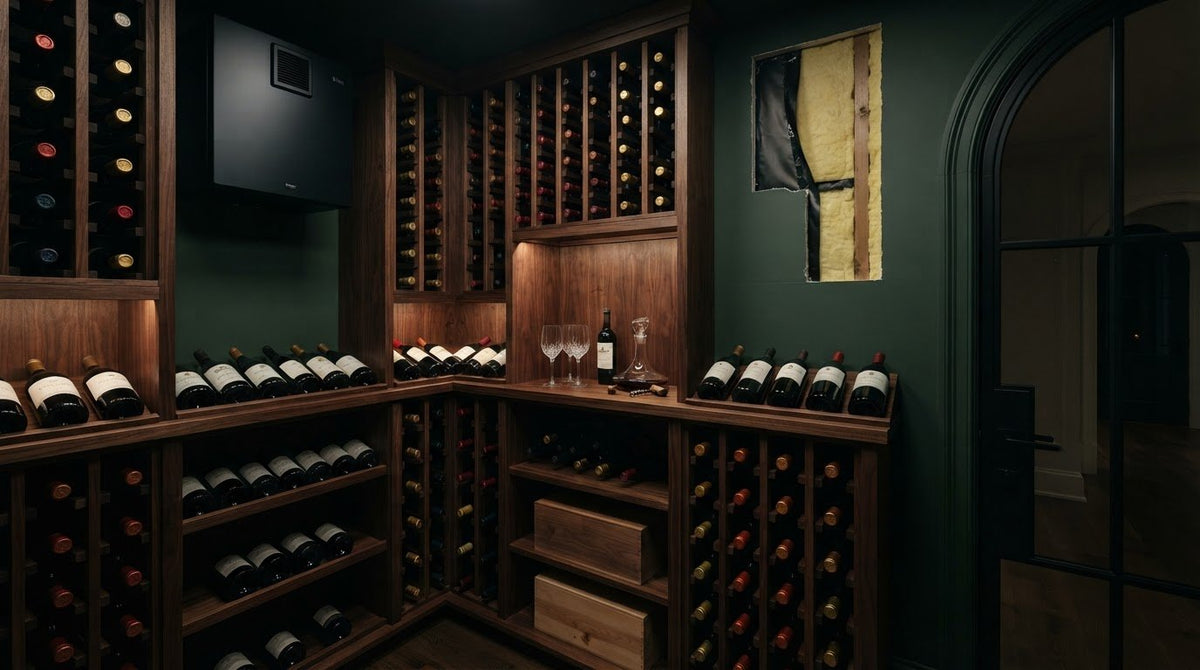
How to Convert a Spare Pantry Into a Temperature-Controlled Wine Room
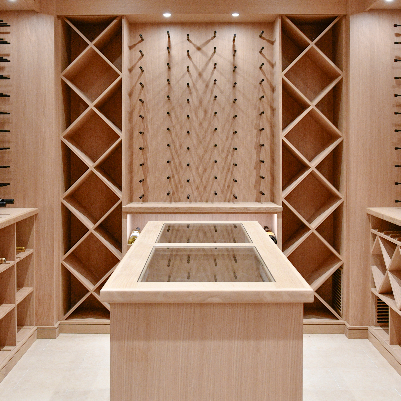
A spare pantry can become a temperature-controlled wine room, but it doesn’t always need a cooling unit. A passive storage area may work if it naturally stays below 65 degrees and remains dark; for...
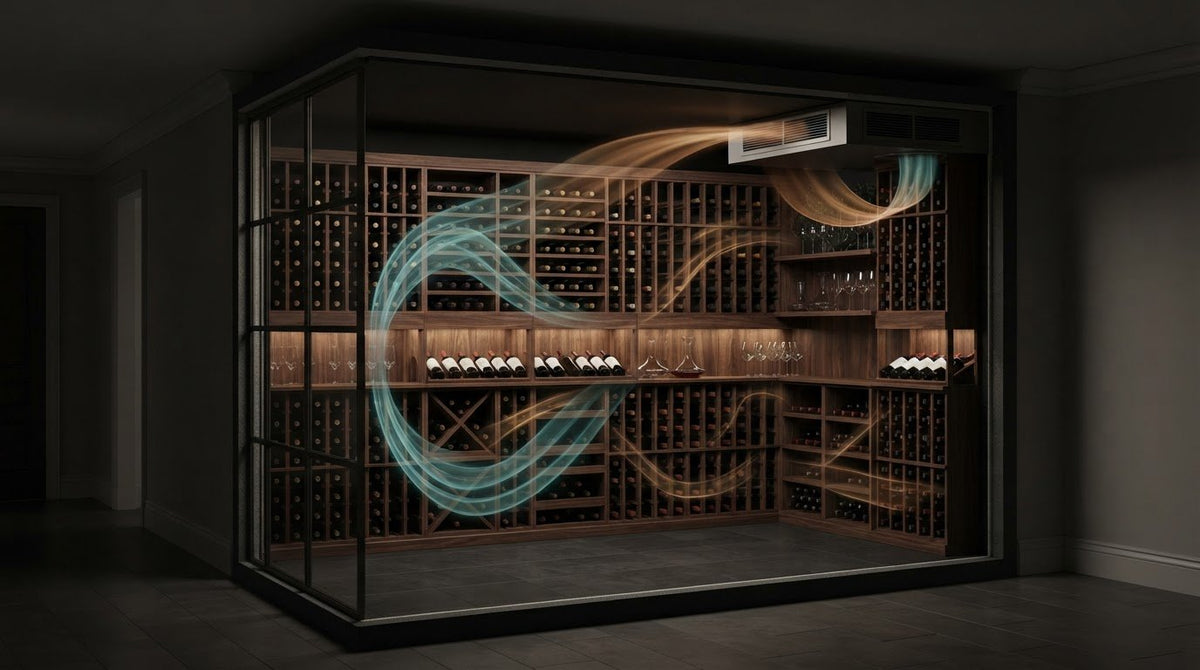
Converted Closet Wine Room Cooling Airflow Problems: Causes and Solutions
A more powerful cooling unit may not solve converted closet wine room cooling airflow problems. If temperatures remain uneven or the system runs constantly, check for a blocked air path or exhaust ...
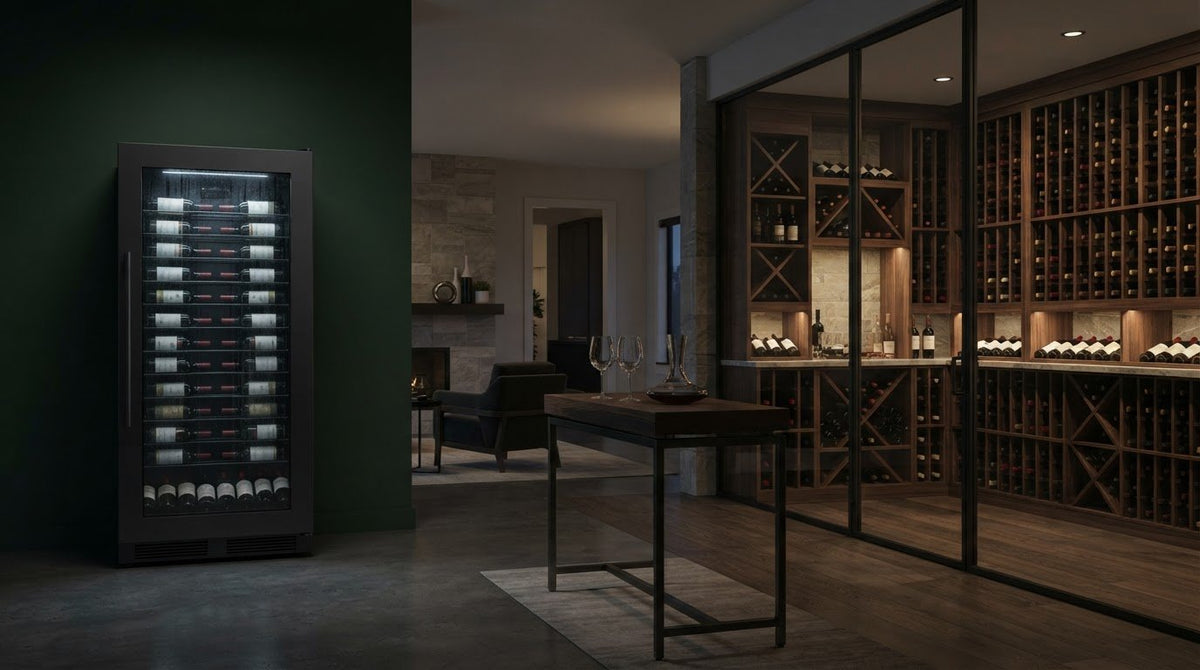
EuroCave Pure vs. a Custom-Built Refrigerated Cabinet: Which Fits Your Wine Collection?
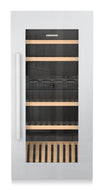
The best wine storage choice may have less to do with the cabinet itself than with the room around it. In the eurocave pure series vs custom built refrigerated cabinet comparison, a ready-made cabi...
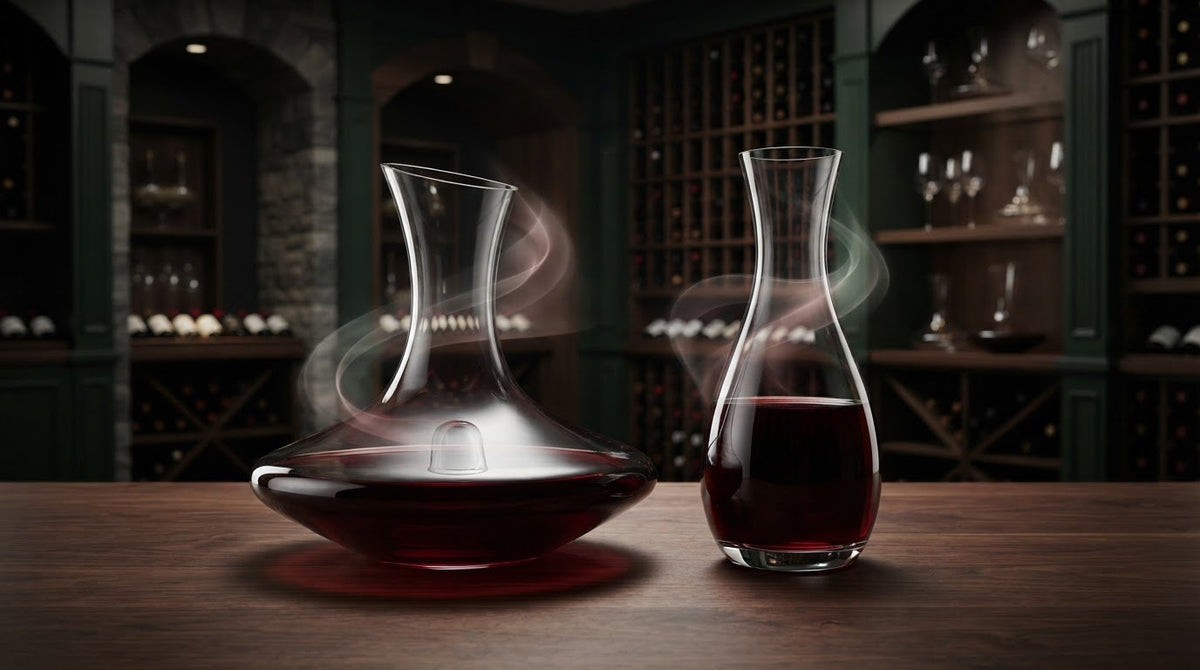
Wide Base vs. Narrow Neck Decanters: How Shape Affects Aeration
A wider decanter seems like the obvious choice for faster aeration, but shape alone doesn’t determine how a wine will respond. The “wide base vs narrow neck decanter aeration surface area” question...
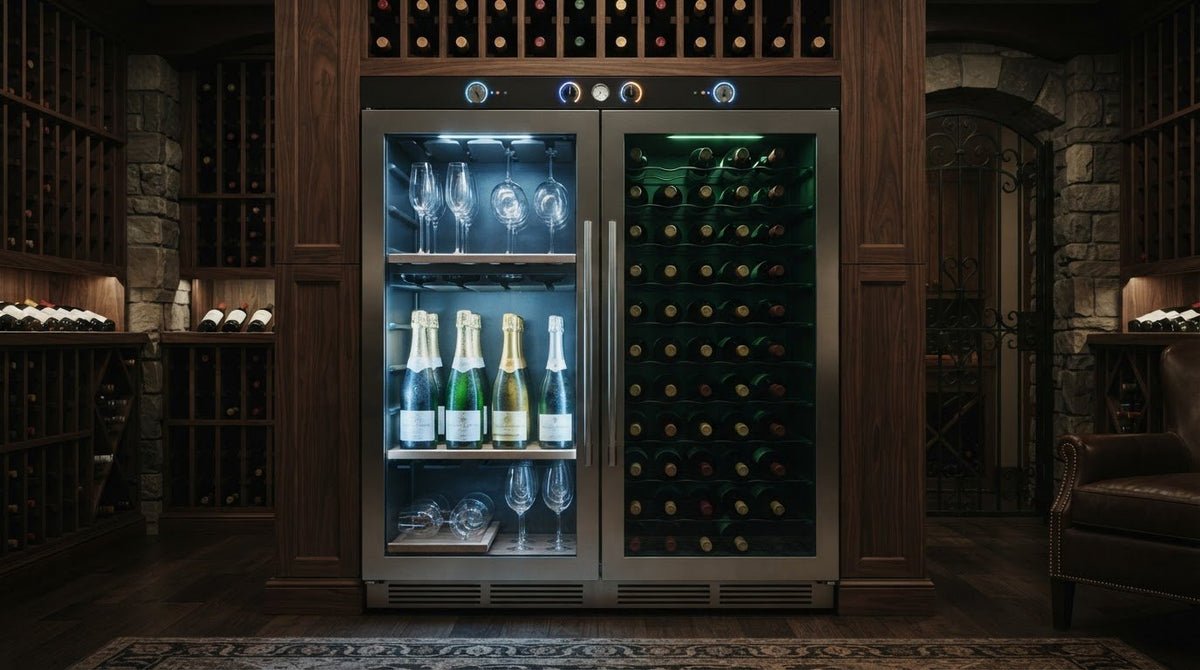
Dual Zone Wine Cooler Temperature Settings: A Practical Guide
What if the best dual zone wine cooler temperature settings depend less on whether a wine is red or white, and more on whether you’re storing it or preparing to serve it? It’s easy to assume each c...
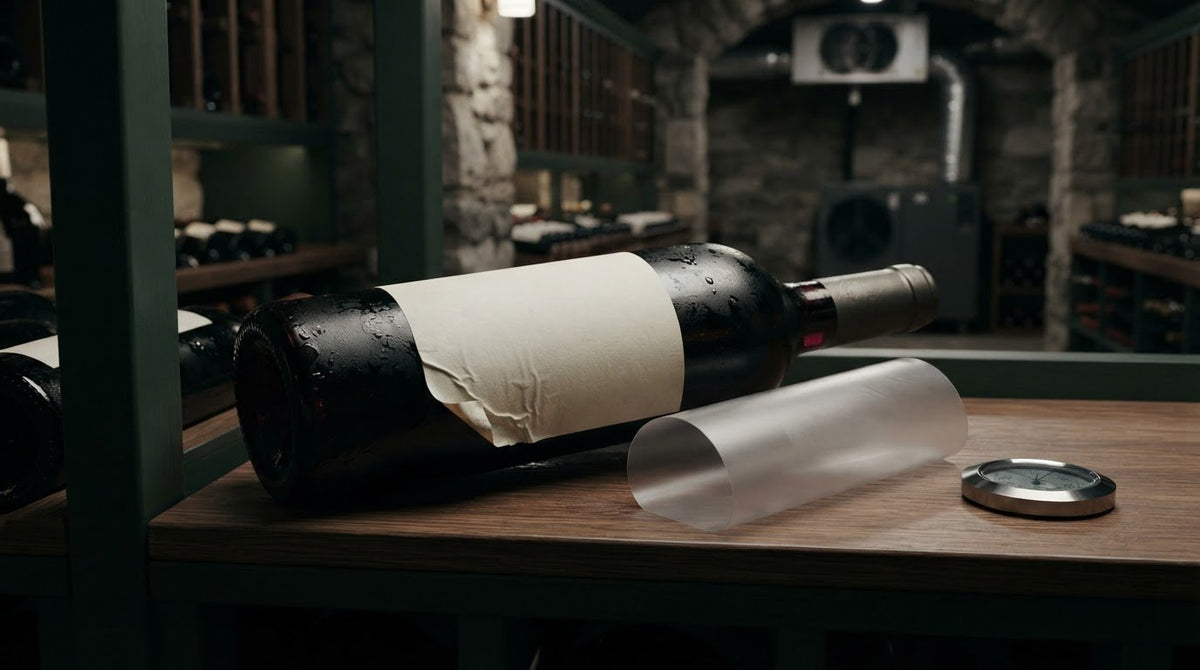
High Humidity Wine Label Peeling: Practical Solutions for Collectors
What if the safest way to stop a wine label peeling is to leave it alone until you know what’s causing the damage? High humidity wine label peeling solutions depend on whether moisture is lingering...
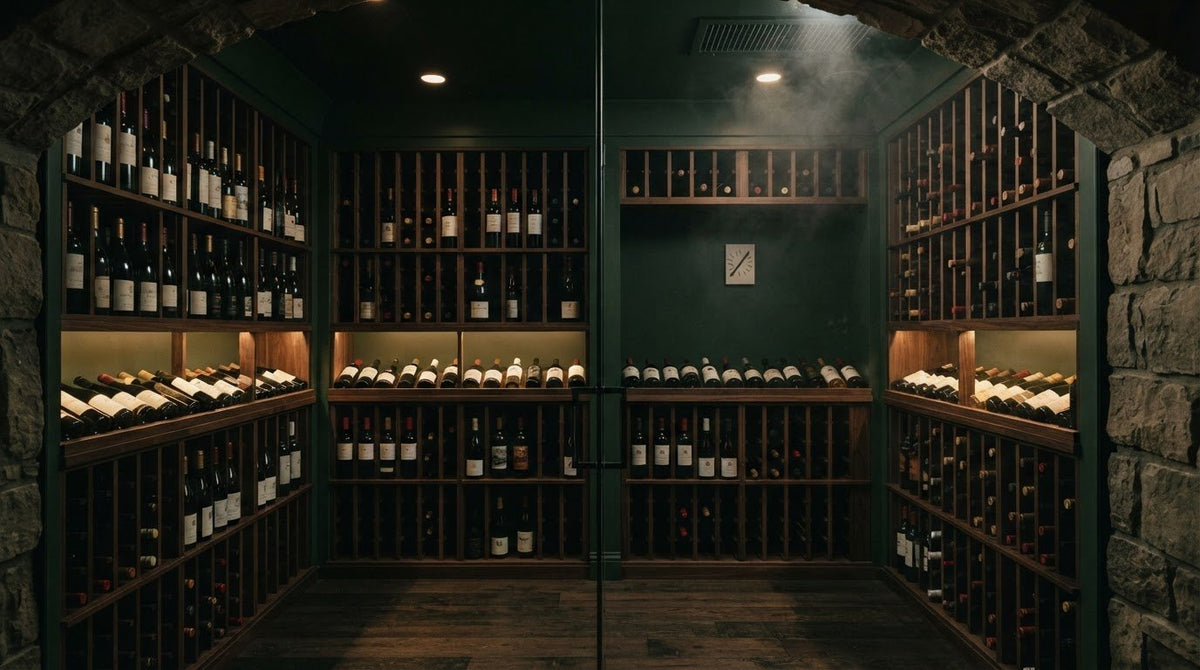
Why Standard Air Conditioning Disrupts Wine Aging and What Temperatures to Watch
A room air conditioner can keep a space comfortable and still be the wrong tool for wine. Understanding why standard air conditioning ruins wine aging starts with its design: it cools a room quickl...
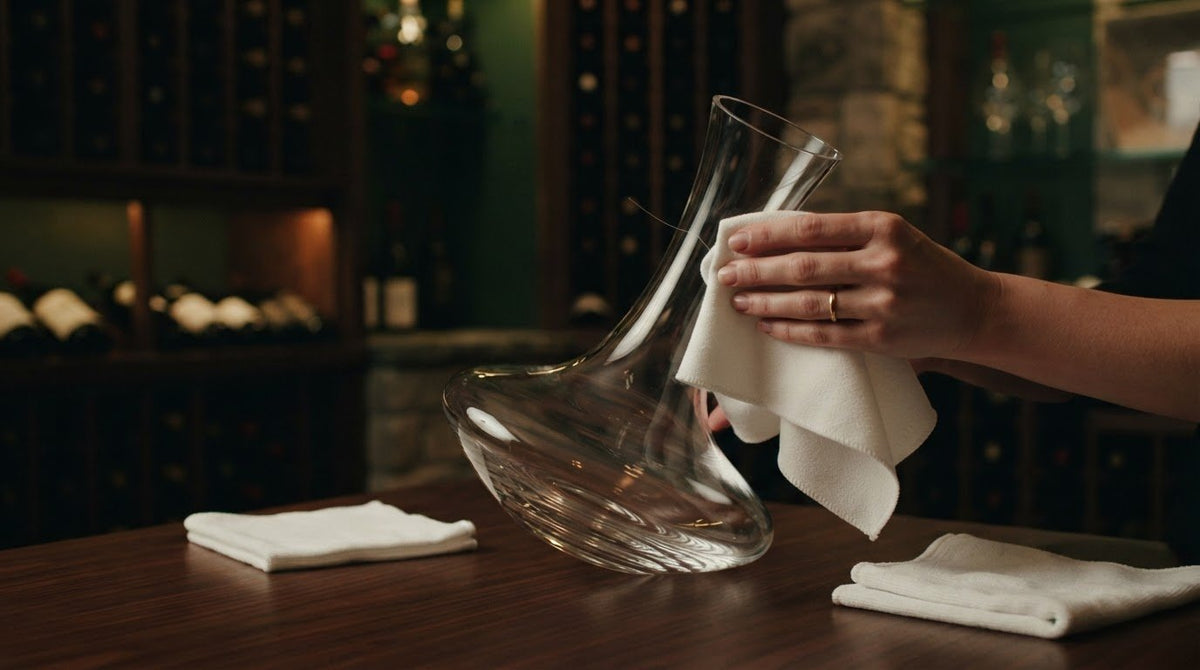
How to Remove Microfiber Lint from Crystal Decanters: A Gentle Polishing Guide
For microfiber polishing cloth lint removal, crystal decanters call for less buffing, not more. A stray fiber stands out against clear crystal, and repeated rubbing can leave fresh lint or smudges....
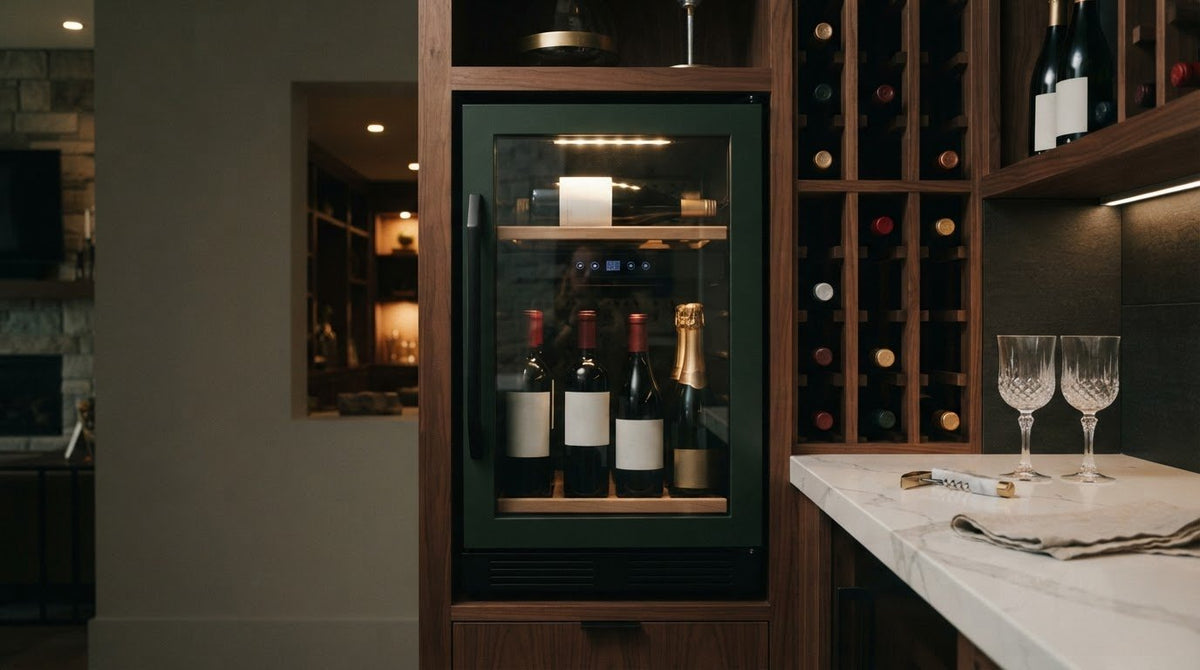
Small Wine Chiller: How to Choose the Right Compact Wine Storage
Could the smallest wine chiller be the wrong choice for your collection? A compact footprint may look ideal, but bottle shapes can reduce usable capacity, and a unit suited to bottles you plan to e...